The Allotment Years (circa 2017): Where my wildlife gardening for wellbeing journey began
The gardening phase of my life began in 2017, when another mum and I took on an allotment as something good and outdoorsy to do. “I had no idea then that those muddy beginnings would one day grow into a journey of healing — one rooted in wildlife gardening and wellbeing.”
At the time, I was a stay-at-home mum to Agatha, who was two, while my older girls, Elizabeth and Eleanor, were already at school, aged six and seven. It was a tough time for me — not because I didn’t adore my children (I felt very privileged to be home with them) — but looking back, it’s clear I was struggling with depression. Whether it was extended postnatal (they were all very challenging babies!) or just the standard variety, I’ll never know. What I do know is that the allotment was a lifeline.
We were fortunate to inherit an established plot after the previous owner moved away, so instead of starting from scratch, we were able to dive straight into planning, planting, and weeding. The hours I spent there were a tonic — a whole new world opened up as I watched the wheel of the year turn. Working on the allotment anchored me in the present moment. It gave me a sense of wellbeing that I quickly began to crave.


Slug Parades & Chicken Diplomacy: Allotment Life with Kids
Agatha, meanwhile, embraced allotment life in her own unique way. She delighted in playing with mud, gleefully removing her wellies only to fill them with soil and water. She would collect slugs and snails in a bucket, parading them around the plot (yes, this is where the name Agatha and the Slugs comes from). The water tap was endlessly fascinating, as was poking bits of grass through the fence for the chickens on a neighbouring plot.

My husband even taught me how to use a drill so I could build a compost bin. It was a time of discovery, learning, and joy. Sadly, the commitment became too much when the other mum returned to work, and the daily watering tasks during hot spells were a challenge with an uncooperative toddler in tow. Agatha’s chicken obsession also became harder to manage, and I often found myself spending more time protecting the chickens from her loving but not-so-gentle attentions than tending to the plot itself.
Lessons in Pride (and £200 Potatoes): The Cost of Growing My Own
It had been mentioned that paying for an allotment — plus the cost of driving back and forth — was a bit of a luxury when we were living on one income. And then there was the harvest maths: once the slugs, snails, birds, and mice had taken their share, the cost of a plate of salad was probably about £400, with each potato coming in at about £200. (Exaggeration? Yes, maybe just a bit. I never really did the maths for fear of the answer.)
But I wasn’t in it to save money. Growing, tending, and eating our own food gave me such pride. Sure, ordering organic veg directly from Harrods and having it shipped to Cornwall would probably have been cheaper — but that didn’t matter. By then, I had been well and truly bitten by the gardening bug.
Saying Goodbye to the Plot: One Door Closes, Another Opens
So after a couple of years of muddy adventures, slug parades, and chicken diplomacy, we finally admitted defeat and let the allotment go. However, the seeds had been sown — quite literally — and I wasn’t about to stop gardening. I needed this for my sanity. If I couldn’t keep going to the allotment, I could create a new one – right here in our own garden!
The bonus with this idea, was that tending my green babies no longer involved loading the car with kids, tools, fifteen changes of clothes, and enough snacks to feed an army on a three-week march. Instead, I could just pop outside and lose myself in the garden whenever the fancy took me. I turned my attention to our little home patch and we got stuck in.
A Rocky Start at Home: Disasters and Disappointments in the Garden
I can’t say it all went smoothly. I hadn’t appreciated how well-situated and perfectly set up the allotment had been. By comparison, our garden sloped, half of it sat in the shade of next door’s trees, and it hadn’t been tended or cared for in years. Brambles and ivy ran rampant, and it seemed as though a hundred million starving slugs were lying in wait for anything I dared to plant.
It’s a humbling experience to spend a small fortune on plants only to watch them wither and die — or vanish overnight into slug oblivion. I was frustrated; this was not how I’d envisioned things. The kids weren’t interested — there were no chickens to play with — and the whole endeavour felt like hard, unrewarding work. My hopes for an urban oasis lay as shredded as the remains of my plants. What I didn’t yet realise was that this was laying the foundations of my urban wildlife garden journey.
An Unexpected Turning Point: Planting for Pollinators
The turning point came with the planting of nasturtiums. I’d picked up a packet in the garden section of a DIY shop, remembering them from my childhood. I figured they would at least brighten up the area by the back door. I didn’t expect much — I’d pretty much given up by then — but to my surprise, they flourished. They filled the planter my husband had built for me, spilling over the edges in a cascade of rich green leaves, with bright orange and red flowers peeping out from the foliage.
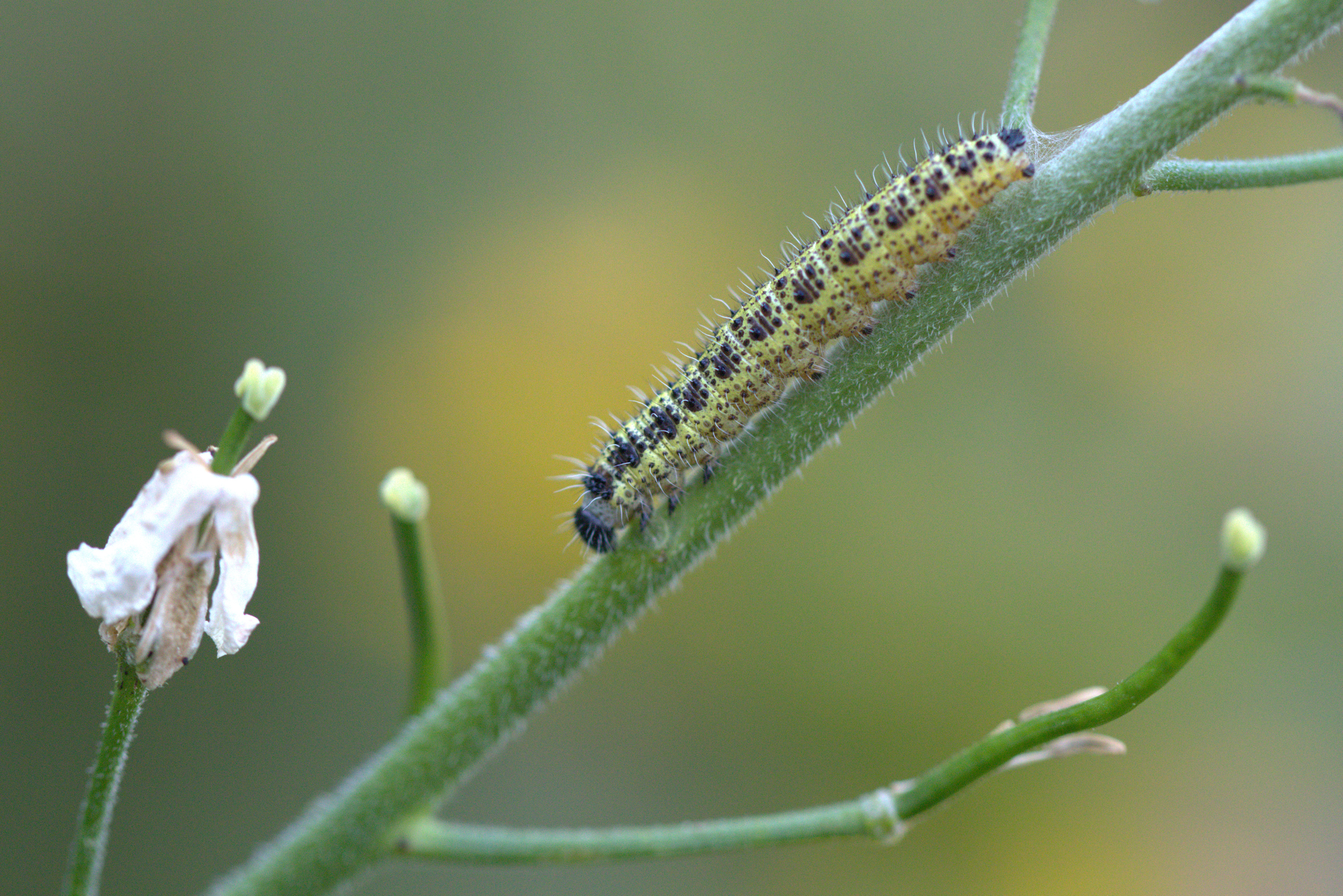
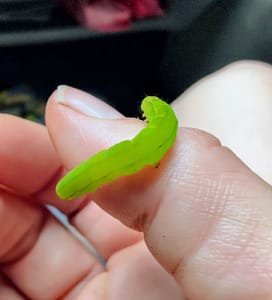
These tough little flowers thrived — and with them came the bees, then the butterflies. I watched in fascination and awe. It had never really dawned on me that our garden had been missing these tiny, beautiful creatures. And then came the caterpillars: the butterflies had left their babies in my care. The children and I watched them grow, munching their way through the leaves. This time, I didn’t mind. It felt like a worthy sacrifice.
That summer, caring for those tenacious little flowers and watching the wildlife they invited in gave me a new sense of purpose. It was the very beginning of my journey into wildlife gardening for wellbeing. Instead of feeling defeated by slugs or worn down by the battle with brambles, I felt connected to something bigger. The bees, the butterflies, the caterpillars — those little lives living under my care grounded me in the present moment and brought me a happiness I hadn’t expected.
From Slug Fodder to Sanctuary: Creating a Wildlife Garden for wellbeing
From then on, my aim shifted. I began to think about — and research — what I could do to make our garden more welcoming for wildlife. I started to see it less as a battlefield to be conquered and more as a sanctuary to be shared. Along the way I discovered that plants had their own preferences: some thrived in shade, some basked in sun, and some liked a little of both. Certain plants were happily ignored by pests, while others were destined to be slug fodder no matter how hard I tried.
Bit by bit, the garden began to feel more alive. I fed the soil — a lesson I learned was just as important as feeding the plants — and in return, the plants grew stronger. More flowers meant more visitors. One day, while tackling the undergrowth, we uncovered a hidden pond. To my delight, it held a small population of newts and a couple of frogs. I was overjoyed — another reminder of how wildlife gardening with wildlife in mind was transforming not just the garden, but me too.
Nurturing the Garden, Nurturing Me: Wildlife Gardening for Wellbeing
Looking back, the garden has taught me that perfection was never the point. Life — in all its buzzing, crawling, slimy forms — is what really matters. Creating this space for wildlife on the edge of our small city has been healing in ways I could never have imagined. This is the heart of wildlife gardening for wellbeing: nurturing life around me while learning to nurture myself.
If you’re new here and wondering who I am, you can find out more about me and this blog here – https://agathaandtheslugs.com/2025/08/29/menopause-motherhood-and-gardening-for-mental-health/
Further Information on Gardening for Wildlife
Wildlife Trusts – Gardening for Wildlife: https://www.wildlifetrusts.org/gardening
RHS Encourage Wildlife to your garden https://www.rhs.org.uk/science/conservation-biodiversity/wildlife/encourage-wildlife-to-your-garden
Pingback: National Cooking Day: 5 Ways Cooking Boosts Your Wellbeing